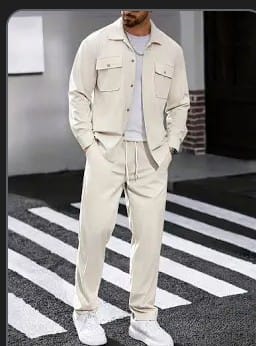
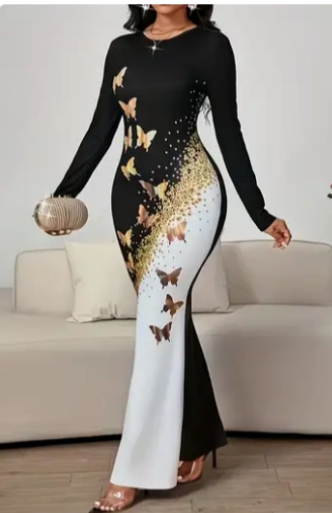
Streetwear is no longer just about what you wear—it’s about who you are, what you stand for, and the lifestyle you represent.
What started as an underground movement rooted in skate culture, hip-hop, and urban rebellion has evolved into a global fashion force shaping music, art, and youth identity.
Streetwear isn’t just fashion. It’s culture. It’s expression. It’s community.
The Origins of Streetwear: Born From the Streets
Streetwear emerged in the late 1970s and 1980s, inspired by:
Skateboarding culture
Hip-hop and rap music
Graffiti and street art
Surf culture and urban youth movements.
Early streetwear brands weren’t chasing luxury—they were telling stories.
Every hoodie, graphic tee, and sneaker represented authenticity, freedom, and defiance of traditional fashion rules.
That raw, unfiltered origin is why streetwear still resonates today.
Streetwear as a Lifestyle, Not a Trend
Streetwear goes beyond seasonal trends because it reflects how people live.
It represents:
Confidence and individuality
Creativity and self-expression
Belonging to a community
Breaking rules and setting your own
When you wear streetwear, you’re not dressing to impress—you’re dressing to express. That’s why true streetwear lovers stay loyal to brands that align with their values, not just their style.
The Power of Streetwear Brands
Successful streetwear brands don’t just sell clothes—they sell a lifestyle narrative.
Think about it:
A logo becomes a badge of Identity
A hoodie represents a mindset
A sneaker drop creates excitement and community
Streetwear brands connect deeply with their audience through:
Storytelling
Cultural relevance
Limited releases and exclusivity
Strong social media presence
People don’t just buy streetwear—they belong to it.
Streetwear & Social Influence
Streetwear thrives on social influence and cultural moments.
Musicians, creatives, athletes, and influencers have helped elevate streetwear from the streets to the runway. But unlike high fashion, streetwear stays rooted in real people and real stories.
Social media has amplified this influence, allowing brands to:
Build loyal communities
Showcase real customers
Promote authenticity over perfection
Turn fans into brand ambassadors
Streetwear culture is driven by the people, not just the designers.
Why Streetwear Feels Personal
Streetwear connects emotionally because it reflects real-life experiences:
Hustle culture
Urban life
Music and art
Youth expression
A streetwear can tell a story without saying a word. It’s fashion that feels personal, raw, and unapologetic.
That emotional connection is what makes streetwear powerful—and timeless.
Streetwear in Today’s Fashion World
Today, streetwear influences:
Luxury fashion houses
Runway collections
Everyday casual wear
Global youth culture
From oversized fits to bold graphics and statement sneakers, streetwear continues to redefine what fashion means in modern society.
It proves that style doesn’t need permission.
Final Thoughts: Streetwear Is Identity
Streetwear is more than clothing—it’s identity, culture, and lifestyle combined.
It represents freedom, authenticity, and the courage to stand out. Whether you’re wearing it on the streets, on stage, or online, streetwear tells the world who you are before you speak.
And that’s what makes it powerful.
About the Author